
The Blue Green Revolution
For a hundred years, the answer to every municipal water problem has been the same: dig deeper wells, lay more pipes, build a bigger plant. It is a strategy with the subtlety of a…
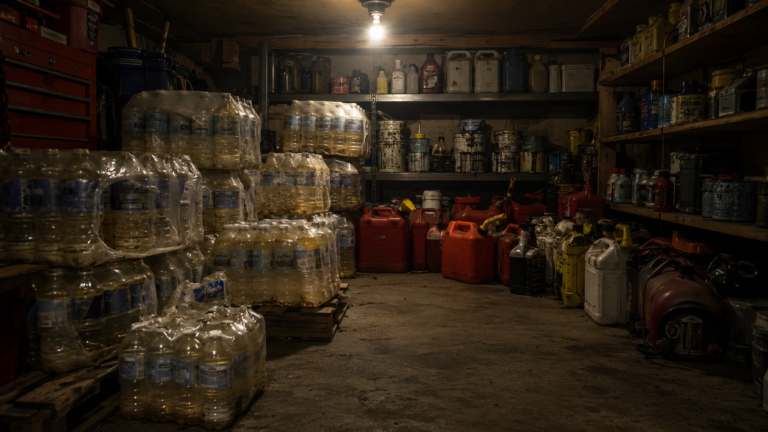
7 Emergency Water Mistakes That Leave You More Vulnerable Than You Think
Most people believe they are prepared. Most people are not. Here is what the plans that look solid on paper get catastrophically wrong, and what actually works. There is a version of emergency preparedness…
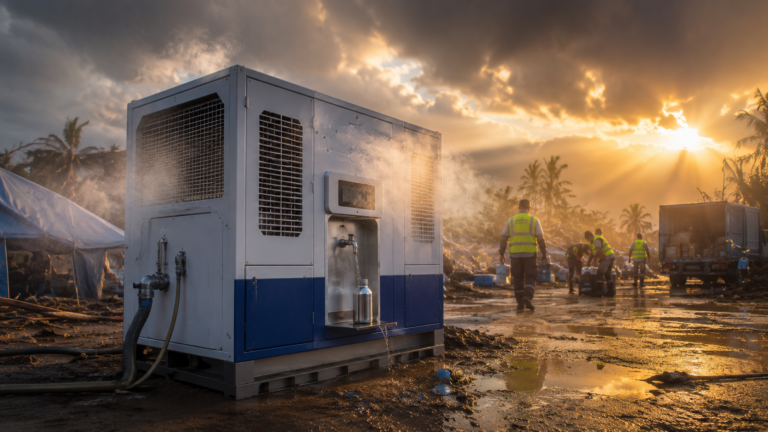
The Last Water Truck You’ll Ever Need: How Atmospheric Water Generation Is Rewriting Emergency Logistics
Every disaster exposes the same broken system. Atmospheric water generation offers a better one. When a hurricane makes landfall, a major pipe bursts, or a municipal water supply is contaminated, emergency managers across the…
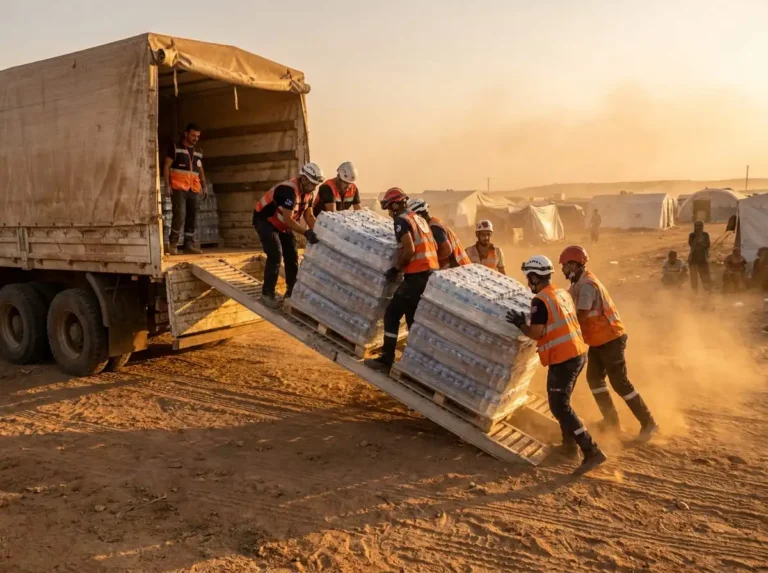
7 Mistakes You’re Making with Emergency Water Logistics (and How to Fix Them)
Emergency water logistics haven’t evolved fast enough. While other industries have embraced innovation, many emergency response plans still rely on the same outdated approach: stockpiling bottled water and hoping supply chains hold up when…
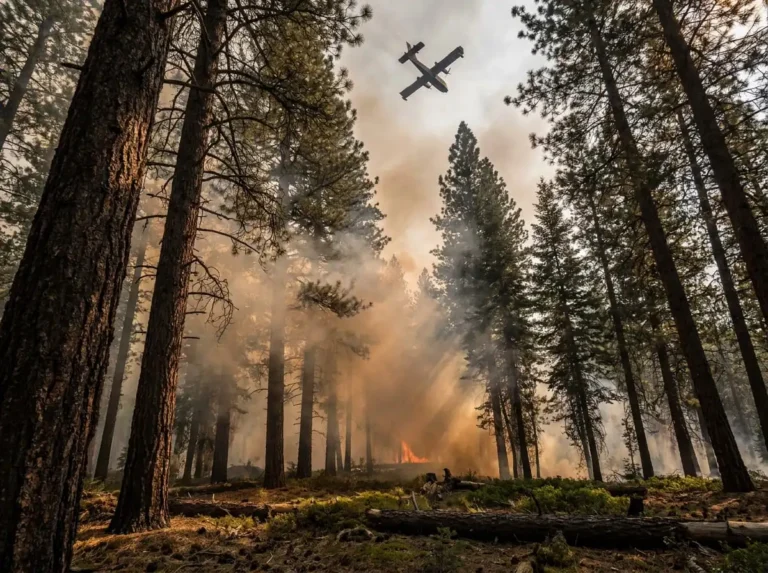
Fighting Fire with Fog: How H2O Everywhere is Reimagining Forest Fire Prevention
Let’s be real for a second: the way we handle forest fires hasn’t changed much in decades. We wait for a spark, we see the smoke, and then we scramble to throw everything we’ve…
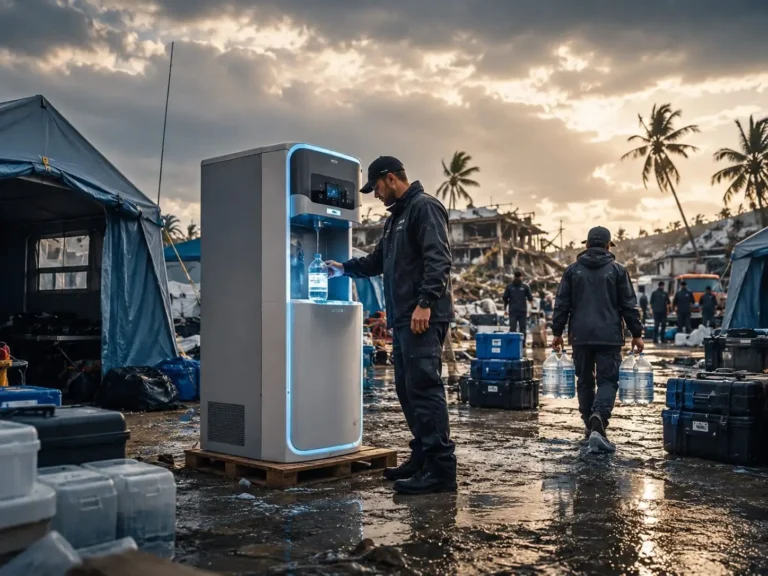
Water on Demand: Why H2O Everywhere is the Ultimate Emergency Lifeline
When a natural disaster strikes: be it a hurricane, earthquake, or a massive infrastructure failure: the clock starts ticking. The human body can survive weeks without food, but only days without water. In the high-stakes world…
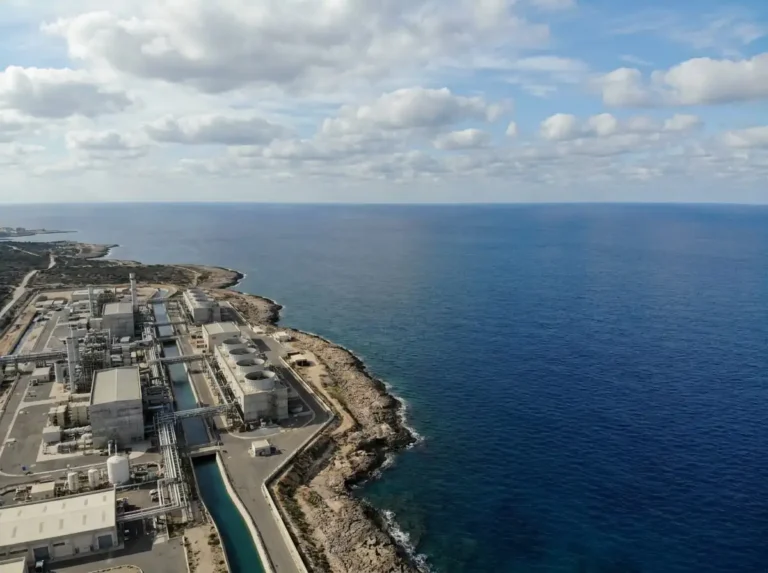
Air Over Oceans: Why AWG is Winning the Battle for Clean Water
Here’s a wild stat: Building a single desalination plant can cost anywhere from $500 million to over $1 billion. And that’s just to get it up and running. Now imagine you could pull clean…